By Daniela Smith-Fernandez
Opera. If you ask most people, they will describe it making reference to grand spectacles and big voices. Those in the know might hum a few bars of Ride of the Valkyries or Carmen’s habanera solo, a testament to how deep the operatic tradition is integrated into our culture. If the vast majority of people are honest, more than a few will tell you they got most of their information from Bugs Bunny cartoons…Everything about opera is grandiose. Those who want to mock it talk about its melodramatic storytelling and over the top spectacle, little understanding that these are the things that draw opera fans in. Opera is divisive, but it also an art form that offers an emotional complexity rarely found elsewhere. In other words, you really have to experience it for yourself. Simply hearing a few bars of an aria on a car commercial is not enough to appreciate everything that goes into this strange and complex world.
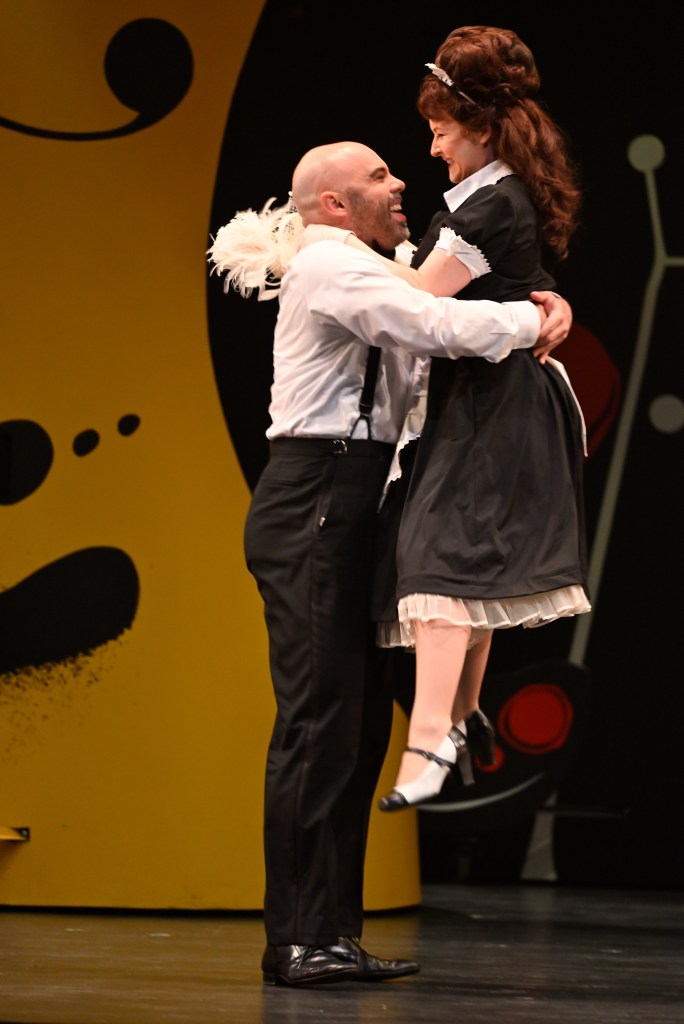
Manitoba Opera Company is going to be opening The Marriage of Figaro tomorrow. This is one of those classic pieces from the opera canon that can usually be guaranteed a good audience. What’s not to like? Mozart wrote the musical score, which is both beautiful and charming. Then we have the story of Figaro and Susanna, a couple of servants for the count who are getting married. Except that the count is a little too enthusiastic about getting close to Figaro’s bride… cue the chaos. It is one of those shows my classical music loving grandfather would have pinpointed as a good introduction to the genre. It’s light, it’s fun, it’s a little risqué and you don’t need to much background knowledge to enter into the world of the characters.
Opera is also a really interesting example of something that is essentially multilingual. Which is something of interest here at a bilingual theatre blog. Written by a writer and artist who is a bonified language nerd.
Take The Marriage of Figaro for one. Here we have a show which is based on a French stage play, La folle journée, ou le Mariage de Figaro by Beaumarchais. Got that? French origins. Then it gets turned into an opera libretto in which song lyrics are written… in Italian, by Lorenzo Da Ponte. Then the music gets written by Mozart, an Austrian whose native language is German. Finally, this show becomes so popular over time it travels all over the world to audiences who don’t speak Italian. Which means that when you are sitting in the audience at the opera in Winnipeg, this show has already gone through four separate languages to reach you. Tell me that isn’t a little bit cool?
I recently had the opportunity to talk to Manitoba Opera’s Director of Production Sheldon Johnson who writes the projected English translations for the show. These are the texts that indicate the content of what the singers are singing, or what allows an English speaking audience in Winnipeg who would like to, as Johnson explains, “take away something from from the experience of seeing the show more than just listening to the pretty music … they are essential in following the story” As our interview made abundantly clear, they are an absolutely integral part of the opera viewing experience, something that allows people to connect across languages, culture and even time.
You might be interested to discover that there is a lot more to surtitles than projecting a few words on a screen. Back in the day when opera companies began using them, they were physical slides which were purchased or borrowed from other opera companies. In other words, smaller productions were at the mercy of the big houses that had the budget to create them and then make small tweaks as needed. Nowadays, they are created on a Power Point which makes it easier to adapt text as needed. This is important as many companies may choose to shorten longer shows or make other tweaks as needed. This is show biz, after all.
For this production, it is the exclusive work of Sheldon Johnson to make them. Which is not as simple as it may seem. Ask any multilingual person, poetry and song lyrics are by far the hardest things to translate. Nuanced metaphors and the subtleties of words just don’t like getting crunched into a foreign vocabulary. Forget the fact there is a whole story going on that needs to be communicated and there is not a lot of space. Then the audience doesn’t have a lot of time to read without straining their necks. Not to mention the sheer amount of repetition in operatic librettos means a word-for-word translation would leave you feeling like the Power Point is broken. Or that there are often multiple singers singing at the same time and “when when you have uh six people on stage all singing different words at the same time you have to you know figure out who’s saying the most important thing”. Also, for a medium with a grandiose emotional palette, there are a lot of songs with incredibly trivial lyrics.
In other words, surtitles are just as much of an art form as costumes, set design, props, vocal arrangements and all the other things that make opera happen. Nobody would want a Google translated text (also Google translate should be used sparingly but I will leave that lecture for later). What we want is the essentials, the key bits that help us understand the narrative as we are watching the show without losing our immersion in the operatic world. Johnson uses word for word translations done by others as reference, but ultimately has to break down what needs to be said when in consideration of the music. He explains that the job would be impossible to do without a knowledge of music as the surtitle maker needs to consider where in the song is an appropriate time to cue the next one. It responds and engages with the music to keep people’s attention where it should be: on stage.
Then there is the actual job of using surtitles during a production. This is the time where “somebody has to sit there and follow along and advance to the next slide” in response to the pace of the singers and the rhythms . Every single cue is written out. Every single performance is made possible by a human being sitting in the back clicking along slides, a job which requires intense focus and the ability to adapt. It requires a sensitivity to both the music and the performance. Not exactly a passive device; this is skilled work.
In this time in the world, there is a lot of talk about all the things we can delegate to AI. Thankfully, there are still places like surtitling that require a very human ability to respond and adapt beyond the capabilities of any random generator. There is no substitute for live performance, the raw feeling of being in the presence of other humans creating an intangible story just for you. There is no computer equivalent of sharing the experience of being in an audience that has seen something magical. And interestingly enough, there is no real substitute in the opera for a human being figuring out what text you need to follow the story. It requires judgement and creativity.
Opera is an amazing example of an art form where the experience of going in person is incomparable. If you can open yourself to it, it’s possible to feel something profound. This is rich artistic tradition full of grandiosity and frivolity, improbable stories and touching moments of intimacy.
Not to mention the pretty songs. Those are good too.
Daniela Smith-Fernandez is Chilean-Canadian by birth, francophone by choice. She is an artist, writer and craftsperson who is proudly multicultural and multilingual (English, Spanish, French). She has worked in theatre as a costumer, prop maker, venue manager and volunteer. Her theatre reviews and articles have been published in student newspapers and blog. She is currently writing the second play in a trilogy about a pansexual man who is obsessed with sex and French grammar, not always in that order. She writes in English and French.


Leave a Reply